


The Alarming Rise of Energy Drink Consumption
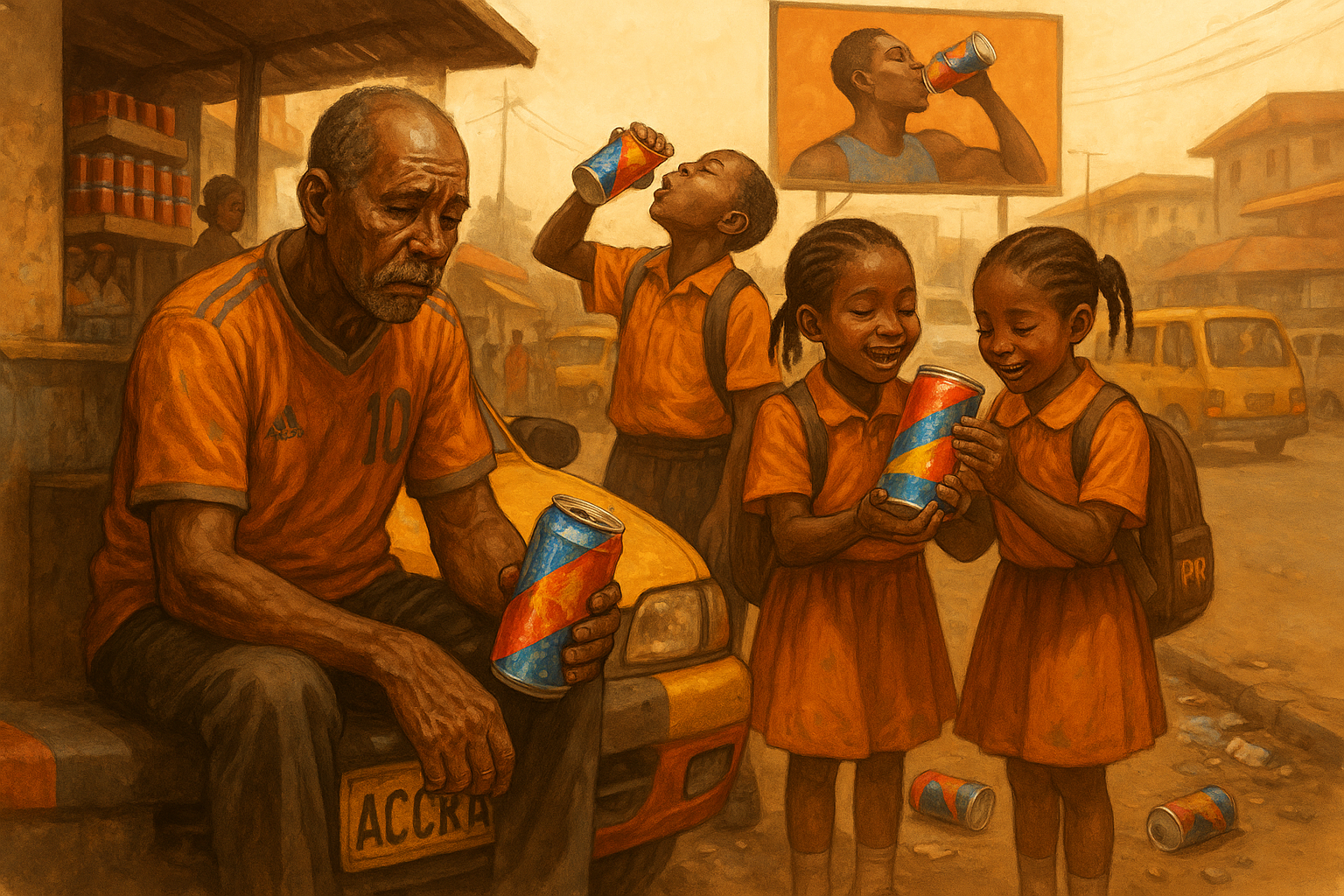
If you take a walk through any busy streets in Ghana today, you’ll notice a trend that has quietly yet dangerously become a common part of Ghanaian life. Brightly colored bottles of energy drinks are displayed on the shelves of every store or kiosk at every corner you turn and is consumed by a wide cross-section of the population. From primary school children as young as seven, seen in their school uniforms clutching these drinks, to elderly market women in their sixties sipping them between serving customers, the presence of energy drinks is ubiquitous. Drivers stock them in their vehicles to stay alert during long shifts. Students depend on them during exam preparations, while office workers increasingly use them to combat the familiar afternoon slump.
The scale of this consumption has reached alarming levels. Energy drinks are no longer seen for what they truly are potent stimulant beverages. Instead, they have been normalized as ordinary refreshments, akin to soft drinks or fruit juices. Many consumers remain unaware of the fact that these beverages contain pharmacological doses of caffeine along with a cocktail of other stimulants that pose real health risks. Energy drink companies have run highly effective marketing campaigns that portray these products as harmless and even beneficial, associating them with energy, vitality, productivity, and in some cases, enhanced sexual performance.
However, behind the glossy advertisements and enticing flavors lies a reality that demands national attention. Energy drinks are not harmless. They are carefully formulated stimulant products that can interfere with heart function, raise blood pressure, disrupt normal sleep patterns, affect brain development in children, interact negatively with medications, and contribute to the development of chronic health conditions. This article will examine the energy drink phenomenon in Ghana through various lenses, providing readers with a clearer understanding of what these drinks contain, the immediate effects they have on the body, the long-term health consequences, and why certain groups such as children and the elderly are particularly vulnerable. It will also explore healthier, culturally relevant alternatives and offer practical guidance for safer consumption. Understanding these dimensions is essential if Ghanaians are to make informed decisions about energy drink consumption and protect those most at risk.
What Exactly Are Energy Drinks?
Energy drinks are often mistakenly lumped together with traditional beverages like coffee, tea, or soft drinks. However, they are fundamentally different because they are engineered to deliver a rapid and intense stimulant effect through a calculated blend of active ingredients. A typical 250ml bottle of an energy drink contains between 80 to 300 milligrams of caffeine. This is equivalent to drinking two to three cups of instant coffee, five cans of cola, or eight cups of tea in a single sitting. Some of the “extra strength” varieties even exceed these amounts, amplifying their potency.
Sugar is another primary component, with many energy drinks containing between 25 to 50 grams per serving. This level of sugar intake exceeds the World Health Organization’s recommended daily limit of 25 grams. To put this in perspective, that is roughly six to twelve teaspoons of sugar in one can. Although sugar-free versions exist, they often substitute sugar with artificial sweeteners, which carry their own health concerns.
Beyond caffeine and sugar, energy drinks usually include additional stimulants such as taurine, an amino acid known to amplify caffeine’s effects; guarana, a plant extract that contains more caffeine; and ginseng, an herbal stimulant thought to enhance alertness. These drinks also boast mega-doses of B-vitamins, often containing more than 2000 percent of the daily recommended amount of vitamin B6 and over 800 percent of vitamin B12. While these vitamins are essential in moderate amounts, the excessive quantities found in energy drinks serve no nutritional purpose and may even burden the body unnecessarily. Additional ingredients include artificial colors, flavors, preservatives like sodium benzoate, and acidity regulators, all of which contribute to the product’s shelf life and visual appeal but offer no real health benefits.
What makes energy drinks particularly concerning compared to other caffeinated beverages like coffee is the speed at which they deliver their stimulant effects. The combination of multiple stimulants is designed to create a rapid and intense burst of energy; unlike the gradual boost one gets from drinking coffee. Moreover, energy drinks are heavily marketed to vulnerable groups, especially youth, through sponsorships of sports events, social media campaigns, and flashy advertisements. This marketing strategy contributes to patterns of consumption that are often risky. People tend to drink them quickly, sometimes combining them with alcohol, drugs or using them during physical activity, further exacerbating their health risks.
What Happens After Drinking One?
The body begins reacting to an energy drink within ten to fifteen minutes of consumption, setting off a chain of physiological responses. The cardiovascular system responds almost immediately with a noticeable spike in blood pressure. On average, systolic blood pressure can rise by 5 to 15 mmHg, which can be dangerous for individuals who already suffer from hypertension. Along with this, the heart rate typically increases by 10 to 20 beats per minute, raising the risk of arrhythmias, especially in people with pre-existing heart conditions. Caffeine also causes peripheral blood vessels to constrict, which reduces blood circulation to the limbs and other extremities.
On the neurological front, the caffeine and other stimulants trigger a surge in dopamine, the brain’s pleasure chemical. This can create feelings of temporary alertness and euphoria. The adrenal glands also release adrenaline, activating the body’s “fight or flight” response, which can make one feel jittery or anxious. Although some people experience a temporary improvement in concentration, research shows that decision-making abilities often decline during this stimulated state.
Metabolically, the high sugar content causes a rapid spike in blood glucose levels, but this is typically followed by a crash that leaves the person feeling more fatigued than before. The caffeine’s diuretic properties begin to draw water from the body, contributing to dehydration if not balanced with adequate water intake. Furthermore, the high acidity of these drinks can lead to acid reflux and stomach discomfort, particularly if consumed on an empty stomach. These effects can become even more severe when energy drinks are consumed before exercise, combined with alcohol, or ingested by people with existing health problems.
Long-Term Health Risks of Regular Consumption
While drinking an energy drink on occasion might not cause significant harm in healthy adults, regular consumption has been strongly linked to serious health issues. On the cardiovascular side, long-term use can lead to chronic hypertension, or consistently high blood pressure, which is a major risk factor for heart disease. Persistent consumption can also cause arrhythmias, or irregular heartbeats, which can escalate into life-threatening conditions. Studies have even shown a higher incidence of heart attacks and strokes among habitual energy drink users.
Metabolically, the frequent sugar spikes caused by these drinks can result in insulin resistance, a precursor to type 2 diabetes. The excess calories contribute to gradual weight gain, increasing the risk of obesity. Additionally, the high fructose content commonly found in energy drinks can strain the liver and contribute to the development of fatty liver disease.
Neurologically, chronic consumption can lead to anxiety disorders and may trigger panic attacks in susceptible individuals due to constant overstimulation of the nervous system. Sleep patterns also suffer significantly, as energy drinks disrupt the architecture of sleep by reducing the duration of deep, restorative phases. This often leads to chronic fatigue, even when a person believes they are sleeping enough hours. For adolescents, whose brains are still developing, the cognitive effects of regular energy drink consumption may be permanent, affecting memory, focus, and emotional regulation.
Other health consequences include the strain placed on the kidneys, which must work harder to process the array of chemicals present in these drinks. Dental health also suffers, as the high acidity erodes tooth enamel over time. Furthermore, the interaction between energy drinks and common medications can diminish the effectiveness of treatments for conditions like high blood pressure, depression, and anxiety.
Why Ghana Faces Particular Risks
In Ghana, several factors make the widespread consumption of energy drinks particularly concerning. The healthcare system, for one, has limited diagnostic capacity. Many health facilities lack the equipment needed to detect and treat complications related to high caffeine intake. Patients also rarely connect their health issues to energy drink consumption, leading to significant underreporting of cases. This under-diagnosis further burdens a healthcare system already struggling to manage rising rates of non-communicable diseases like diabetes, kidney issues and heart diseases.
Culturally, energy drinks are often viewed as symbols of modernity and sophistication. Many Ghanaians perceive them as desirable, not fully recognizing the health risks involved. These products are often more affordable than healthier options, making them accessible to a broader section of the population. Social influences, especially among the youth, further drive consumption as peer pressure and media portrayals normalize their use.
On the regulatory side, Ghana lacks stringent rules around the labeling and sale of energy drinks. Many products on the market do not carry adequate warnings about their caffeine and sugar content. There are no age restrictions on their purchase, allowing children to buy them freely. Aggressive marketing by companies specifically targets young people, leveraging sports sponsorships, music events, and social media to reinforce the appeal of these drinks.
Healthier Ghanaian Alternatives
Fortunately, Ghanaian culture offers many traditional and natural alternatives that can provide energy in healthier and more sustainable ways. The kola nut, for instance, offers mild stimulation when consumed in moderation and lacks the excessive sugars found in energy drinks. Ginger-based drinks are another excellent option, known for their natural thermogenic properties that help boost circulation and vitality. Guinea corn or Millet drink known as Zoonkoom boosts immunity. Hibiscus tea, commonly known as Sobolo, is rich in antioxidants and electrolytes, making it a refreshing and healthful choice.
Nutrient-dense options like fresh coconut water provide excellent hydration and are rich in essential minerals. Moringa leaf powder is another powerhouse, offering a natural source of iron and promoting sustained energy levels. Tiger nut drinks, known for their creamy texture and pleasant taste, are packed with healthy fats that provide lasting nourishment.
Adopting lifestyle changes can also contribute to better energy levels. Improving sleep hygiene by maintaining consistent bedtimes can help the body regenerate naturally. Eating balanced meals regularly prevents the energy crashes that often lead people to reach for stimulants. Managing stress through practices like exercise, meditation and regular breaks during work or study sessions can enhance focus and productivity without the need for artificial energy boosts.
Practical Recommendations
For those who still choose to consume energy drinks occasionally, moderation is key. Limiting intake to no more than one can per week and avoiding daily use can significantly reduce health risks. It is also important to avoid mixing energy drinks with alcohol, drugs or consuming them before physical exercise, as these combinations can amplify the negative effects on the heart and nervous system. Special care should be taken to keep these products away from children and the elderly, who are more vulnerable to their adverse effects. Staying properly hydrated by drinking water alongside any caffeinated beverage can help counteract dehydration. Lastly, consumers should make it a habit to read product labels carefully, paying attention to both caffeine and sugar content before making a purchase.
A Call for Conscious Consumption
The growing consumption of energy drinks in Ghana represents a serious public health concern that demands attention on multiple fronts. While these beverages might offer a fleeting sense of alertness, the long-term harm they can cause especially among vulnerable populations like children, the elderly, and individuals with pre-existing health conditions cannot be overlooked.
As individuals, Ghanaians can take steps to educate themselves and their communities about the risks associated with these drinks. Modeling responsible consumption habits and opting for healthier, traditional alternatives can make a meaningful difference. On a societal level, Ghana needs stronger regulations governing the marketing and sale of energy drinks, more comprehensive public education campaigns, and better training for healthcare providers to recognize and address energy drink-related health issues.
The way forward lies in balancing personal responsibility with collective public health action. By making informed choices and promoting awareness, Ghanaians can mitigate the risks posed by energy drinks before they escalate into an even greater burden on the healthcare system. Next time you feel the urge to grab an energy drink, pause to consider whether the temporary boost is worth the potential long-term consequences. Your health and that of your family deserves better choices. Sharing this information, replacing even one energy drink with a natural alternative, and supporting local health organizations working on this issue are practical steps we can all take. Together, we can foster a healthier future for Ghana.