


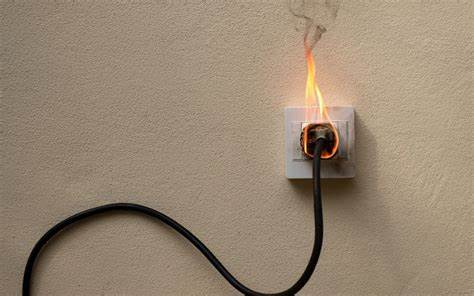
Introduction: The Ubiquity of Electrical Hazards
Electricity is a fundamental part of modern life and work, enabling everything from lighting and heating to complex machinery and communication systems. However, its widespread use also introduces serious risks. Whether in construction, general industry, agriculture, or even offices, electrical hazards are almost always present. From power tools and extension cords to overhead lines and underground utilities, electrical dangers can appear in many forms and often go unnoticed until an incident occurs. Therefore, understanding these hazards and knowing how to mitigate them is not only a regulatory requirement—it is essential for maintaining a safe work environment and preventing serious injuries or fatalities.
Electricity-Related Injuries: The Scope and Impact
Electrical injuries are a significant concern in workplace safety, and the statistics paint a sobering picture. In 2020 alone, the United States reported 126 fatalities and over 2,220 nonfatal injuries resulting from contact with electricity. These figures, alarming as they are, only represent direct contact with electrical sources. They do not include secondary injuries, such as those sustained from falls after an electric shock. These secondary injuries, while not classified as electrical in nature, are often caused by an initial electrical incident and are just as dangerous.
Moreover, many electrical shocks go unreported. Workers often receive minor shocks and do not seek medical attention, believing them to be harmless. However, the cumulative effect of repeated minor shocks and the potential for underlying injuries can be severe. The underreporting of such incidents makes it difficult to assess the true extent of electrical hazards in the workplace, which in turn hampers the development of more effective safety strategies.
Common Electrical Hazards in the Workplace
Electrical hazards come in many forms. One of the most common and dangerous is contact with overhead powerlines. These lines carry extremely high voltages and can cause severe injury or death upon contact. Even being in close proximity to a powerline can be dangerous, particularly in wet or conductive environments. Similarly, underground powerlines pose a hidden risk during excavation or digging operations. Workers may strike buried lines without warning, resulting in severe shock, burns, or even explosions.
Lightning is another often-overlooked hazard. Outdoor workers, especially those in open fields or elevated locations, are at risk during thunderstorms. While not a daily concern, when lightning strikes, the consequences can be catastrophic. Faulty or poorly maintained electrical equipment is also a leading cause of incidents. Frayed cords, damaged insulation, and exposed wires can turn routine tasks into life-threatening situations.
Working on energized equipment presents a particularly high risk. Despite the availability of lockout/tagout procedures designed to isolate power sources during maintenance, some workers bypass these protocols due to time pressures or lack of training. This decision can have fatal consequences. Improper grounding of electrical systems and damaged insulation are other common hazards that can cause shock, electrocution, or fire.
How to Mitigate Electrical Hazards: Best Practices and Preventive Measures
Mitigating electrical hazards requires a multi-faceted approach that includes awareness, proper training, use of personal protective equipment (PPE), and strict adherence to safety protocols. One of the first steps is recognizing potential hazards in your immediate work area. Take time at the beginning of each shift to assess your environment: Are there overhead powerlines nearby? Are any electrical cords frayed or missing ground prongs? Is the ground wet or are you working in a damp area? Are all panels and equipment secured and intact?
When working near overhead powerlines, maintain a minimum distance of 10 feet from lines carrying up to 50kV. For lines with higher voltages, increase the clearance accordingly. This distance is not just a recommendation; it is a critical safety buffer that can prevent arcing and accidental contact. Also, avoid working directly under or near power poles, as disturbing the pole can cause lines to sag or fall.
Before digging, always call your local utility locator service. This service can identify underground powerlines and other utilities, ensuring that you do not accidentally strike them during excavation. Striking a live underground line can result in electrocution, serious burns, or explosions. This step, while simple, is often neglected and can be the difference between a routine job and a tragedy.
Inspect all cords and tools before use. Look for signs of wear, including cracked insulation, exposed wires, or missing ground prongs. Never use damaged electrical tools, even if the damage appears minor. These tools should be repaired by a qualified professional or removed from service entirely. Operating equipment with compromised insulation or grounding can result in serious shock or fire.
Never work on energized equipment. Always follow lockout/tagout (LOTO) procedures to isolate energy sources before beginning work. This includes shutting off power, applying a lock to the disconnect switch, and tagging it with identifying information. After locking and tagging out, always test the circuit to ensure it is de-energized before proceeding. This extra step can prevent fatal mistakes caused by assumptions or miscommunications.
Avoid operating electrical equipment in wet or damp environments unless the equipment is specifically rated for such conditions. Water is a highly conductive substance, and even small amounts can significantly increase the risk of shock. Ensure that all electrical components exposed to moisture are properly protected and insulated. Use ground fault circuit interrupters (GFCIs) whenever possible to provide an additional layer of protection.
Ensure that all electrical panels, boxes, and equipment enclosures are closed, secure, and properly maintained. Components in and around these systems should be free from damage or corrosion. Loose wires, missing covers, or faulty breakers can turn a simple inspection or adjustment into a life-threatening event.
Training and Awareness: The Cornerstones of Electrical Safety
Training is a critical component of electrical safety. Workers must be trained to identify hazards, understand how electricity behaves, and know how to respond in emergency situations. This includes training on how to use PPE such as insulated gloves, dielectric boots, and arc flash-rated clothing. Proper use of tools and adherence to manufacturer guidelines should also be part of every training program.
Regular safety meetings, toolbox talks, and refresher courses help keep safety top of mind. These discussions should include real-world examples of incidents, near misses, and best practices. Encourage open communication so that workers feel comfortable reporting potential hazards or unsafe conditions without fear of reprisal. A strong safety culture begins with leadership and is sustained by empowering every worker to take responsibility for safety.
Employers should conduct routine audits and inspections to identify hazards and verify that proper controls are in place. This includes checking the integrity of electrical systems, ensuring compliance with safety standards, and verifying that LOTO procedures are being followed. Supervisors must lead by example, consistently prioritizing safety over speed or convenience.
Responding to Electrical Incidents: Emergency Preparedness
Even with the best precautions, incidents can still occur. Therefore, it is essential to have emergency procedures in place. Every worker should know what to do if someone receives an electric shock or if a fire breaks out due to electrical equipment. This includes shutting off the power source immediately if it can be done safely, calling emergency services, and administering first aid or CPR if trained.
Make sure that emergency contact numbers are posted in visible locations and that workers know how to access first aid kits and fire extinguishers. Conduct regular drills to ensure everyone knows their role in an emergency. Being prepared can significantly reduce the severity of injuries and improve outcomes for those affected.
Real-World Examples: The Consequences of Inaction
Consider the story of a worker who was operating a power tool with a frayed cord in a damp area. Despite knowing the risks, the worker continued, assuming it would be a quick task. The result was a severe electrical shock that caused the worker to fall and sustain additional injuries. Had the tool been inspected beforehand, or had the environment been properly assessed, the incident could have been prevented.
In another case, a crew was preparing to dig near a warehouse without calling the utility locator. A backhoe struck an underground powerline, resulting in an arc flash and fire. Fortunately, no one was injured, but the equipment was damaged, and operations were halted for days. This scenario underscores the importance of following procedures, even when they seem unnecessary or time-consuming.
Conclusion: Recognize, Respect, and Respond
Electrical hazards are ever-present in the workplace, but they are manageable with the right knowledge, mindset, and behaviours. It begins with recognition, identifying the electrical risks around you, whether they are obvious or hidden. It continues with respect, acknowledging the power of electricity and the consequences of taking it lightly. Finally, it requires taking proactive steps to mitigate risks, following procedures, and being prepared to act in emergencies.
Every worker has a role to play in electrical safety. By staying vigilant, following best practices, and supporting a culture of safety, we can significantly reduce the risk of injury and ensure that everyone goes home at the end of the day. So, what electrical hazards might you encounter today, and what can you do to protect yourself and others? The answers could save a life.