


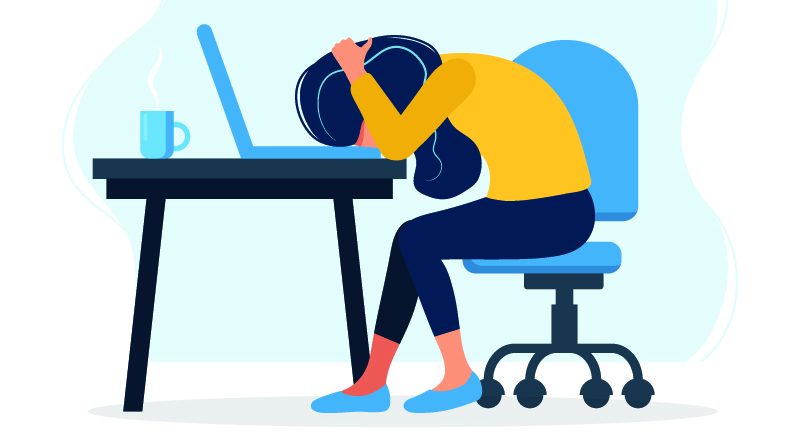
Safety isn’t just about preventing physical injuries; it’s about protecting the whole person.
We believe that a truly safe workplace supports both physical and mental well-being. In today’s fast-paced environments, pressures, workloads, and interactions can sometimes take a toll on how people feel and function at work. That’s why understanding and managing psychosocial hazards is essential to building a healthy, productive, and respectful workplace for everyone.
When we think about workplace safety, it’s easy to picture physical dangers, such as slippery floors, heavy machinery, or unsafe equipment. But there’s another kind of risk that can be just as serious as psychosocial hazards. These are workplace factors or conditions that can negatively affect a person’s mental health, emotional well-being, and overall job satisfaction. Just as physical hazards threaten our bodies, psychosocial hazards threaten our minds. Recognising and addressing them is a key part of creating a workplace where people can perform their best and feel supported while doing so.
Psychosocial hazards often aren’t as visible as physical risks, but their impact can be deeply felt. They can appear in many forms such as bullying and harassment, where discrimination or intimidation erodes trust and damages morale. High job demands are another common example; excessive workloads, constant pressure, or unrealistic deadlines can quickly lead to chronic stress or burnout. Workplace violence, whether through threats, intimidation, or actual harm, creates an environment of fear and insecurity that no one should have to endure. A lack of control over one’s work or decisions can also be distressing, leaving employees feeling powerless and frustrated. Finally, poor communication when feedback, clarity, and support are missing can cause misunderstandings, conflict, and emotional strain.
When psychosocial hazards go unaddressed, they don’t just harm individuals they affect entire organizations. Unmanaged stress can lead to higher absenteeism, reduced productivity, and low morale. Employees who feel unsupported or unsafe are less engaged and more likely to leave, leading to higher turnover and loss of valuable knowledge and experience. Over time, these issues can erode team cohesion and damage the organization’s overall performance. A truly safe workplace is one that protects both physical and mental health, ensuring that employees feel respected, valued, and supported in everything they do.
Identifying psychosocial hazards starts with paying attention. Observing how work is done and how people respond to certain tasks can reveal early signs of strain or frustration. Reviewing workplace data such as absenteeism rates, overtime hours, and staff turnover can also help identify patterns that point to underlying issues. But perhaps the most powerful tool is consultation talking to employees directly. People experience stress in different ways, and open, honest conversations often uncover concerns that might otherwise go unnoticed.
Managing psychosocial hazards requires a proactive and structured approach, much like managing physical risks. The best strategy is to eliminate the hazard where possible by redesigning work processes, setting realistic expectations, or redistributing workloads. When elimination isn’t possible, employers can reduce risk through supportive measures such as regular check-ins between leaders and employees, awareness and resilience training, and access to employee assistance programs (EAPs). These initiatives not only help manage existing stressors but also build a workplace culture that values mental well-being as a shared responsibility.
Every employee has a role to play in maintaining a psychologically safe workplace. Being alert to changes in behavior, mood, or motivation whether in yourself or in colleagues can be an important first step. Reporting concerns promptly ensures that issues are addressed before they escalate, and seeking support when needed is a sign of strength, not weakness. Utilizing available resources, such as HR contacts, managers, or mental health services, helps foster a culture where people feel comfortable asking for help.
Your mental health is just as important as your physical safety. By staying aware of psychosocial hazards, recognizing the warning signs, and supporting one another, we can create workplaces where everyone feels safe, respected, and able to perform at their best.
Safety, in every sense, starts with care.